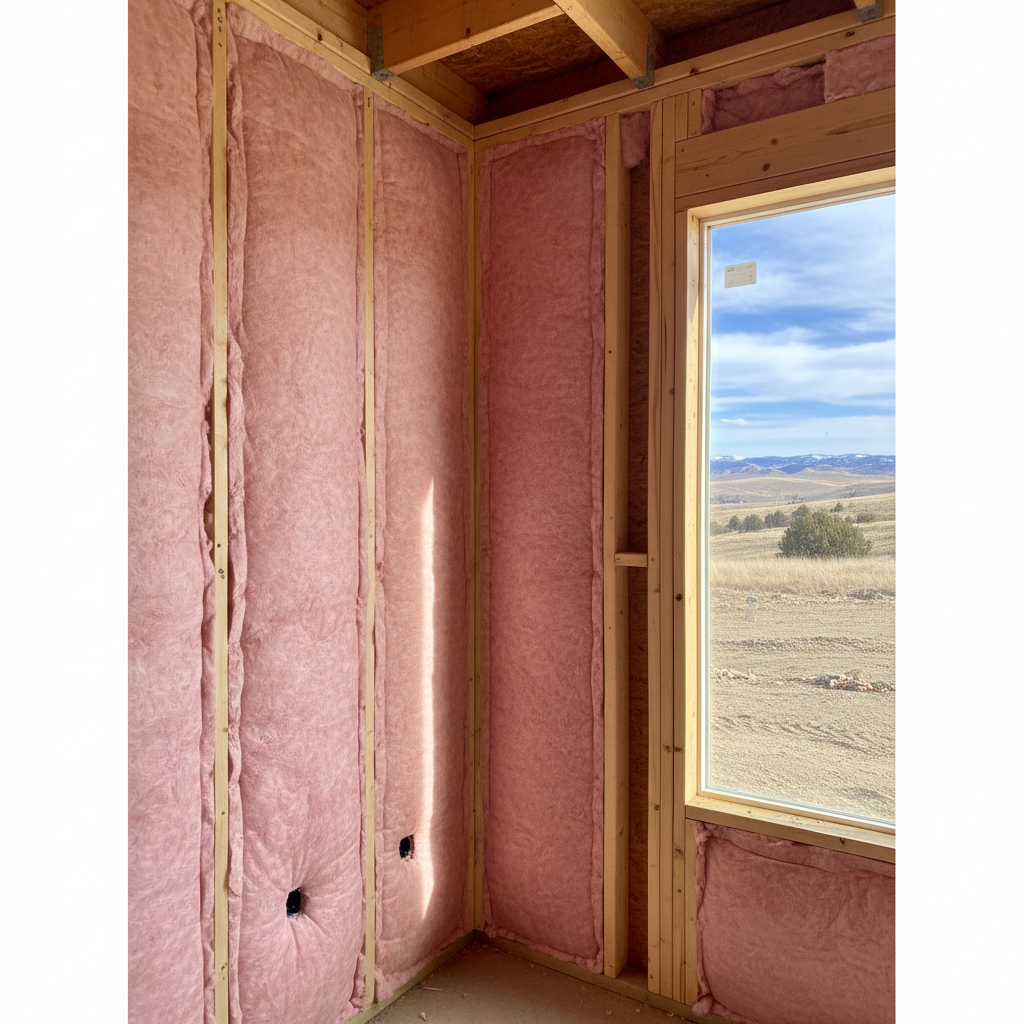
Alright, let's talk about batt insulation. It's a common choice, and for good reason – it's usually pretty affordable and does the job well when you install it right. But believe me, I've seen enough botched jobs around Boise to know that "right" is the crucial word here. Homeowners often make some pretty big mistakes that end up costing them more down the road, or just leave them with a home that's less comfortable and wastes more energy. You definitely don't want to be that homeowner, do you?
Mistake #1: Thinking All Batts Are Created Equal
This is a huge one. You walk into a big box store, see a stack of fiberglass batts, and think, 'Insulation is insulation, right?' Nope, not at all. You've got different materials – fiberglass, mineral wool, cotton, denim – and they all have their own R-values per inch, different moisture resistance, and unique sound-dampening qualities. For example, if you're insulating an interior wall for soundproofing, a dense mineral wool batt will work way better than standard fiberglass. Or, if you're dealing with a damp crawl space, you need something that won't soak up moisture and sag like some traditional fiberglass can. Don't just grab the cheapest thing you see; think about where it's going and what you really need it to do.
Mistake #2: Ignoring the Air Sealing First
This isn't just a batt insulation mistake; it's an insulation mistake, period. You can stuff your attic full of the highest R-value batts, but if you haven't sealed up all those leaks and gaps first, you're just throwing money away. I'm talking about the spots where plumbing stacks, electrical wires, and recessed lights poke through. And especially those top plates of your walls where they meet the attic floor. Warm air naturally rises, and if it can just sneak around your insulation through unsealed cracks, it absolutely will. It's kind of like trying to stay warm with a blanket in a house where all the windows are open. Seal first, insulate second. It's not optional if you want real comfort and actual energy savings.
Mistake #3: Improper Cutting and Fitting
This is often where the DIY enthusiasm hits a wall, literally. Batts need to be cut precisely so they fit snugly between joists, studs, and rafters. If they're too small, you'll get gaps, which are basically direct pathways for air and heat to escape. If you cram them in too tightly, you can compress the material, which actually lowers its R-value. Yes, you heard that right – squishing insulation makes it less effective. I've seen attics in older homes near the North End where batts are just haphazardly laid down, leaving huge thermal bridges. You need sharp tools, careful measurements, and some patience to get a good, consistent fit. Don't leave empty spaces around electrical boxes or pipes; cut around them carefully so the insulation completely surrounds the obstruction without compressing it.
Mistake #4: Forgetting About Vapor Barriers (or Misusing Them)
Boise's climate isn't super humid, but we definitely get our share of moisture, especially with our snowy winters and spring rains. Understanding vapor barriers is pretty important. In most Boise homes, especially in the attic or exterior walls, you want the vapor barrier (that's usually the paper facing on one side of the batt) to face the conditioned, warm side of the assembly – so, towards the inside of the house. This stops moisture from moving into the wall cavity and condensing, which can lead to mold, rot, and insulation that doesn't work as well. Putting it on the wrong side can trap moisture and cause some big problems. Sometimes, in certain situations, you don't even want a vapor barrier at all, or you might need a 'smart' vapor retarder. If you're not sure, just ask a pro. It's really not a place to guess.
Mistake #5: Not Considering the Long-Term Performance
Some homeowners just want the cheapest option, and hey, that's understandable. But cheap insulation that sags, settles, or gets damaged easily isn't really cheap in the long run. Fiberglass batts, if they're not installed perfectly and kept dry, can sag over time, especially when they're put in vertically. Mineral wool, on the other hand, is much more rigid and holds its shape better. Think about how long your home will last. You want insulation that's going to perform for decades, not just a few years. It's an investment in your home's comfort and efficiency, after all. At Spray Foam Pros of Boise, we often talk about the whole system, not just one part, because everything works together.
Mistake #6: DIYing Without Proper Safety Gear
Look, I'm all for homeowners tackling projects, but insulation work, especially with fiberglass, isn't something to take lightly. You absolutely need proper respiratory protection (a good N95 mask, at the very least), eye protection, gloves, and long sleeves/pants. Fiberglass fibers are tiny and super irritating. You don't want them in your lungs, on your skin, or in your eyes. And if you're working in an attic, watch your step, mind those electrical wires, and make sure you have good lighting. A trip to the emergency room or a nasty rash just isn't worth saving a few bucks.
So, there you have it. Batt insulation can be a fantastic solution for many areas of your home, but it's not a "set it and forget it" kind of deal. Do your homework, plan carefully, and if you're not confident, don't hesitate to call in someone who knows what they're doing. Your comfort, and your wallet, will definitely thank you.