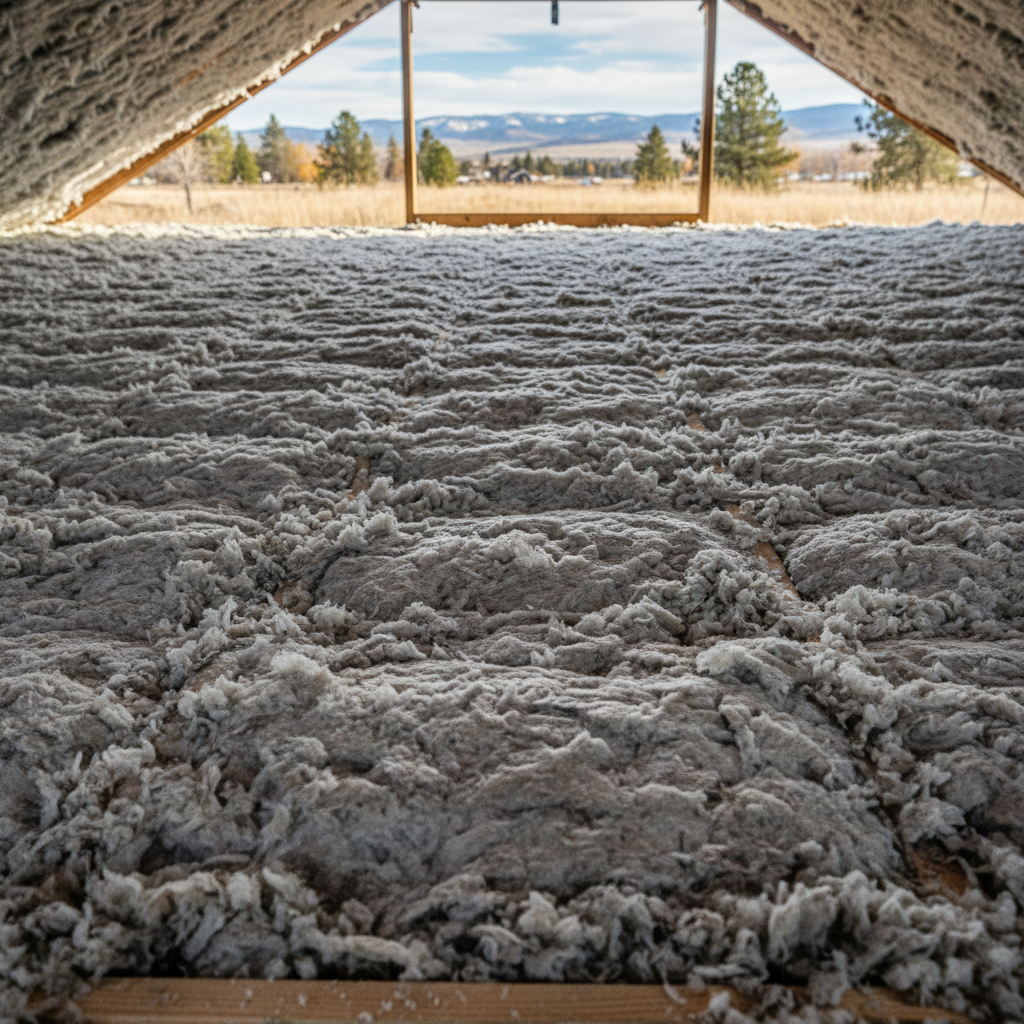
Attic insulation. It’s not exactly the most thrilling home improvement project, is it? But wow, does it ever make a difference to how comfy your house feels and what you pay for power. Especially here in Boise, where we get those scorching summers and really cold winters, a well-insulated attic isn't just nice to have—it’s a must. Folks often ask me what they can tackle themselves and what really calls for a pro. So, let’s talk it through.
Before You Even Think About Insulation
First things first, you’ve got to get up there and take a good look around. Grab a bright flashlight, a dust mask, and maybe even a friend to help. Safety is super important. You definitely don't want to step right through your ceiling, trust me on that one. Always put your weight on the joists, never between them. If you’re not comfortable with heights or tight spots, or if your attic is super cramped or crammed with old junk, that’s your first big hint to call someone. But if you can move around safely, here’s what you should check out.
- Air Sealing: This is honestly the best return on your money, even more than just piling on more insulation. Insulation slows down heat moving through; air sealing actually stops air from moving at all. Think about it: if you’ve got gaps and cracks, your expensive conditioned air just leaks right out, and outside air pours in. Look for openings around plumbing pipes, electrical wires, recessed lights, and the attic hatch itself. You’d be surprised how much air can sneak through those spots.
- Moisture Issues: See any water stains, mold, or mildew? Don't even think about insulating until you get that fixed. Adding insulation on top of a moisture problem is just asking for bigger, pricier headaches down the road. Check your roof for leaks, make sure bathroom fans vent *outside* (not just into the attic!), and look for any condensation.
- Ventilation: Your attic really needs to breathe. Soffit vents, ridge vents, gable vents—they all work together to move air through your attic. This keeps it cooler in summer and stops moisture from building up in winter. Make sure they’re not blocked by existing insulation or debris. If you’re adding a lot of insulation, you might need baffles to keep those soffit vents clear.
- Existing Insulation: What’s already up there? Is it old fiberglass batts that are squished down and look pretty nasty? Is it blown-in cellulose that’s settled to almost nothing? Knowing what you’re starting with helps you figure out what to add. You’re aiming for a specific R-value, which basically measures how well the insulation resists heat flow. For Boise, we usually recommend R-49 to R-60. Most older homes, say in the North End or Bench area, are probably way below that, unfortunately.
What You Can DIY (Realistically)
Okay, so you’ve done your inspection, fixed any moisture problems, and you’re ready to get to work. What can a homeowner actually handle themselves?
- Air Sealing: For most people, this is definitely a DIY job. Grab some caulk for the smaller gaps and expanding foam for bigger holes. For the attic hatch, some weatherstripping and a simple insulation board cover can make a huge difference. Just be careful with expanding foam around electrical boxes—make sure to use fire-rated foam specifically made for that.
- Adding Batts or Rolls: If your attic has easily accessible joists and you’re just putting down another layer of fiberglass batts or rolls on top of what’s already there, that’s totally doable. It’s dusty, itchy work, so wear a good respirator, gloves, long sleeves, and eye protection. Make sure you cut the batts to fit snugly without squishing them, and don't cover those soffit vents, okay?
- Baffles: Installing insulation baffles to keep your soffit vents clear is also a pretty straightforward DIY task. You usually just staple them to the roof decking.
The main thing here is *adding a layer*. If you’re talking about pulling out old insulation, dealing with vermiculite (which might have asbestos, so seriously, don't touch it!), or doing a complete re-insulation with blown-in material, that’s when you need to pump the brakes.
When to Call a Pro (Don't Be a Hero)
Look, I’m all for saving money, but some jobs just aren’t worth the headache, the risk, or the chance of messing it up and costing yourself more in the long run. Here’s when you should absolutely call a professional, like us at Spray Foam Pros of Boise:
- Insulation Removal: Old, dirty, moldy, or animal-infested insulation needs to go. This is a messy, hazardous job that really requires special equipment for safe removal and disposal. Don't try to bag up a whole attic full of nasty insulation yourself.
- Blown-In Insulation: Sure, you can rent a machine, but getting even coverage and the right density with blown-in fiberglass or cellulose is much tougher than it looks. Pros have powerful machines and the experience to get it right. Uneven insulation means it won't perform as well.
- Spray Foam Insulation: This is a big one. Spray foam is fantastic, no doubt, but it’s not a DIY product. It needs specialized equipment, training, and safety gear. The mixing ratios have to be spot on, and the application technique is critical. If it’s done wrong, you’ll end up with a huge, expensive mess on your hands, and it won't work correctly.
- Complex Attics: If your attic has lots of weirdly shaped areas, kneewalls, cathedral ceilings, or spots that are just hard to reach, trying to DIY it will lead to gaps and cold spots. Pros know how to handle these kinds of challenges.
- Major Air Sealing: If you’ve got really big gaps, like around a chimney chase or a whole-house fan, or if you think there are major air leaks you just can’t find, a pro can do a blower door test. This helps pinpoint exactly where those leaks are and seal them effectively.
- Anything You're Unsure About: If you get up there and just feel totally overwhelmed, or if you spot something that looks suspicious (like old knob-and-tube wiring that needs to be clear of insulation), just pick up the phone. It’s always better to be safe and get it done right.
After the Project: Enjoy the Benefits
Once your attic is properly insulated and air-sealed, you’ll feel the difference almost right away. Your house will be more comfortable, you won’t have those crazy temperature swings between rooms, and your HVAC system won’t have to work nearly as hard. That means lower energy bills, which is always a good thing, right? Keep an eye on your energy usage, and you’ll likely see a noticeable drop. It’s an investment that truly pays you back, year after year.